

What industries are expected to grow in the next 10–20 years locally?
Expected High-Growth Industries (Next 10–20 Years ) Logistics and Warehousing – Driven by e-commerce and infrastructure expansion Auto and EV Manufacturing – Growth in electric vehicles and component suppliers Pharmaceuticals and Healthcare – Demand for production,...

What upgrades will be needed to support full buildout?
Infrastructure Capacity Expansion As full development progresses, existing utility and access systems may need scaling to handle higher loads and traffic. Electricity: Upgrade to higher kVA transformers or HT connections for expanded manufacturing or warehousing...

What amenities or features will increase long-term value?
Infrastructure and Utility Readiness Providing robust, scalable infrastructure ensures operational ease and attracts long-term tenants or buyers. High-capacity power supply and dedicated transformer access Reliable water connection, sewer system, and drainage Internal...

What is the highest and best use of this property?
Market-Driven Industrial Use The highest and best use of the property is typically aligned with regional demand, infrastructure access, and zoning approval. In well-connected industrial corridors or near highways, the most valuable use is: Warehousing or logistics...

What is the long-term development plan for the land?
Phased Development Strategy Breaking development into logical phases ensures better cash flow management, market alignment, and risk control. Phase 1: Site preparation, grading, fencing, and essential utility connections Phase 2: Construction of key infrastructure...

What is the risk of holding the land long-term without development?
Financial Holding Costs Keeping land idle still incurs ongoing expenses that add up over time and reduce the net return on investment. Annual property tax, insurance, and security costs can total ₹5–10 lakh per acre No income generation from rent or resale delays...

What’s the contingency if construction or development costs rise?
Standard Contingency Allocation To prepare for unexpected cost escalations, most industrial projects allocate a contingency budget as part of the financial plan. Typically 5% to 10% of the total construction or development budget Covers material price increases, labor...
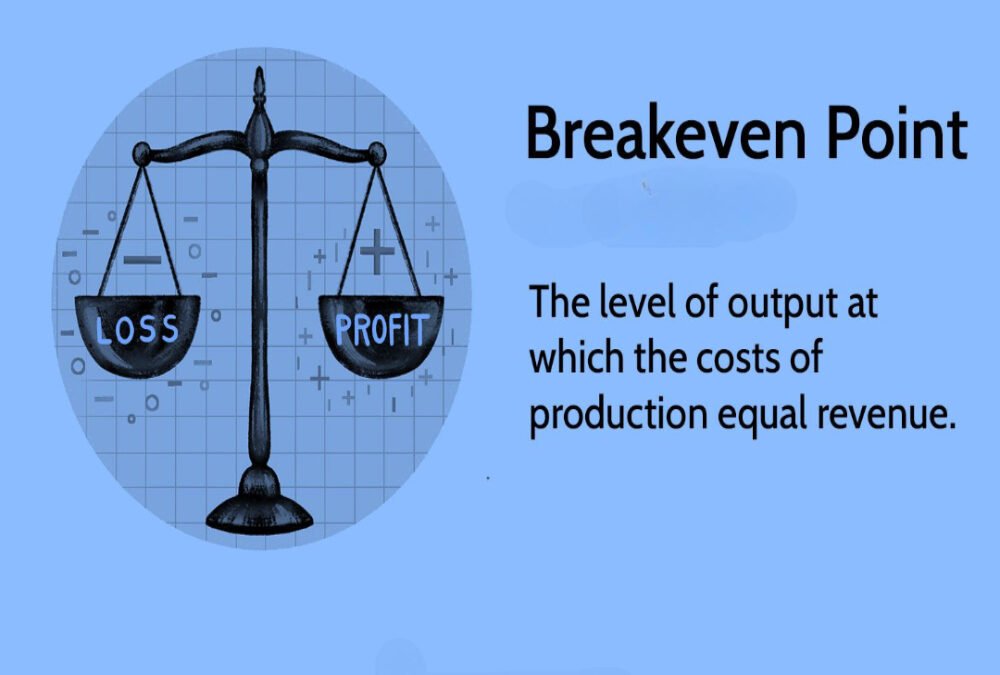
What is the break-even point if values drop unexpectedly?
Break-Even Concept Under Market Decline The break-even point is the minimum resale or rental value needed to recover total investment if land prices fall. It includes all acquisition, development, and holding costs. Calculated as:Total Cost (Land + Development +...

What is the impact of interest rate changes on financing?
Increase in Borrowing Costs When interest rates rise, the cost of loans increases, which directly affects cash flow and total project cost. Higher monthly EMIs increase financial pressure during development Increases the overall cost of capital, reducing profit...

What is the risk of cost overruns or delays?
Common Causes of Cost Overruns Unexpected expenses during site development often result from scope changes, inaccurate estimates, or unforeseen site conditions. Poor soil, drainage issues, or utility conflicts can require additional earthwork or redesign Material...
What industries are expected to grow in the next 10–20 years locally?
Expected High-Growth Industries (Next 10–20 Years ) Logistics and Warehousing – Driven by e-commerce and infrastructure expansion Auto and EV Manufacturing – Growth in electric vehicles and component suppliers Pharmaceuticals and Healthcare – Demand for production,...
What upgrades will be needed to support full buildout?
Infrastructure Capacity Expansion As full development progresses, existing utility and access systems may need scaling to handle higher loads and traffic. Electricity: Upgrade to higher kVA transformers or HT connections for expanded manufacturing or warehousing...
What amenities or features will increase long-term value?
Infrastructure and Utility Readiness Providing robust, scalable infrastructure ensures operational ease and attracts long-term tenants or buyers. High-capacity power supply and dedicated transformer access Reliable water connection, sewer system, and drainage Internal...
What is the highest and best use of this property?
Market-Driven Industrial Use The highest and best use of the property is typically aligned with regional demand, infrastructure access, and zoning approval. In well-connected industrial corridors or near highways, the most valuable use is: Warehousing or logistics...
What is the long-term development plan for the land?
Phased Development Strategy Breaking development into logical phases ensures better cash flow management, market alignment, and risk control. Phase 1: Site preparation, grading, fencing, and essential utility connections Phase 2: Construction of key infrastructure...
What is the risk of holding the land long-term without development?
Financial Holding Costs Keeping land idle still incurs ongoing expenses that add up over time and reduce the net return on investment. Annual property tax, insurance, and security costs can total ₹5–10 lakh per acre No income generation from rent or resale delays...
What’s the contingency if construction or development costs rise?
Standard Contingency Allocation To prepare for unexpected cost escalations, most industrial projects allocate a contingency budget as part of the financial plan. Typically 5% to 10% of the total construction or development budget Covers material price increases, labor...
What is the break-even point if values drop unexpectedly?
Break-Even Concept Under Market Decline The break-even point is the minimum resale or rental value needed to recover total investment if land prices fall. It includes all acquisition, development, and holding costs. Calculated as:Total Cost (Land + Development +...
What is the impact of interest rate changes on financing?
Increase in Borrowing Costs When interest rates rise, the cost of loans increases, which directly affects cash flow and total project cost. Higher monthly EMIs increase financial pressure during development Increases the overall cost of capital, reducing profit...
What is the risk of cost overruns or delays?
Common Causes of Cost Overruns Unexpected expenses during site development often result from scope changes, inaccurate estimates, or unforeseen site conditions. Poor soil, drainage issues, or utility conflicts can require additional earthwork or redesign Material...