by Industrial Guide | Jun 13, 2025 | I - News
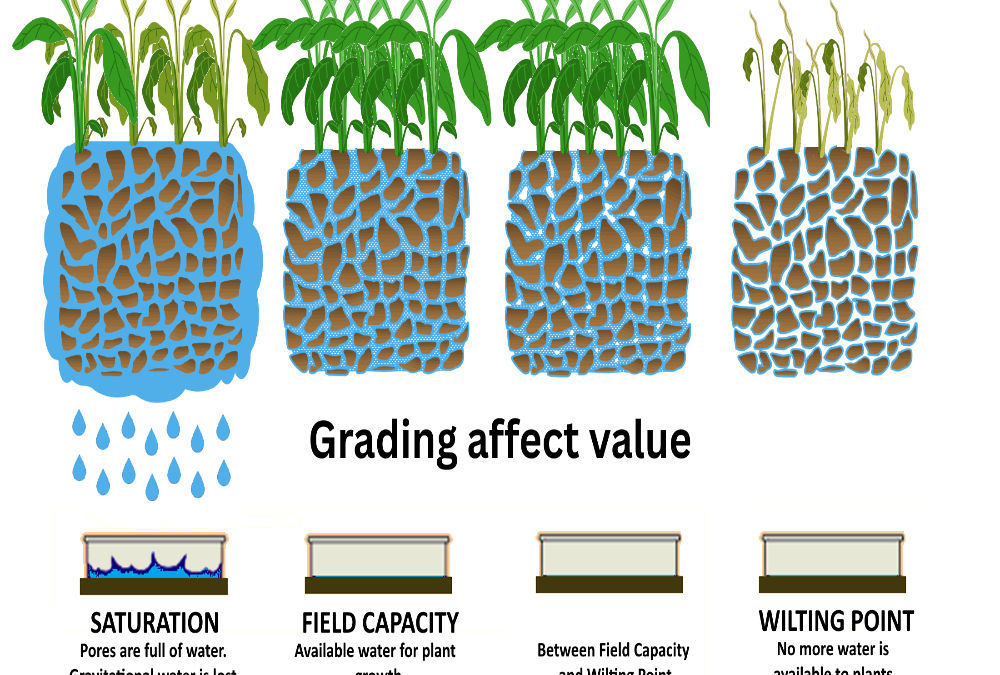
Soil Quality and Structural Suitability Good soil quality supports heavy construction and reduces foundation costs. Poor soil requires treatment or reinforcement, which increases development costs and reduces land value. Stable, compact soil (like red or gravelly...
by Industrial Guide | Jun 13, 2025 | I - News
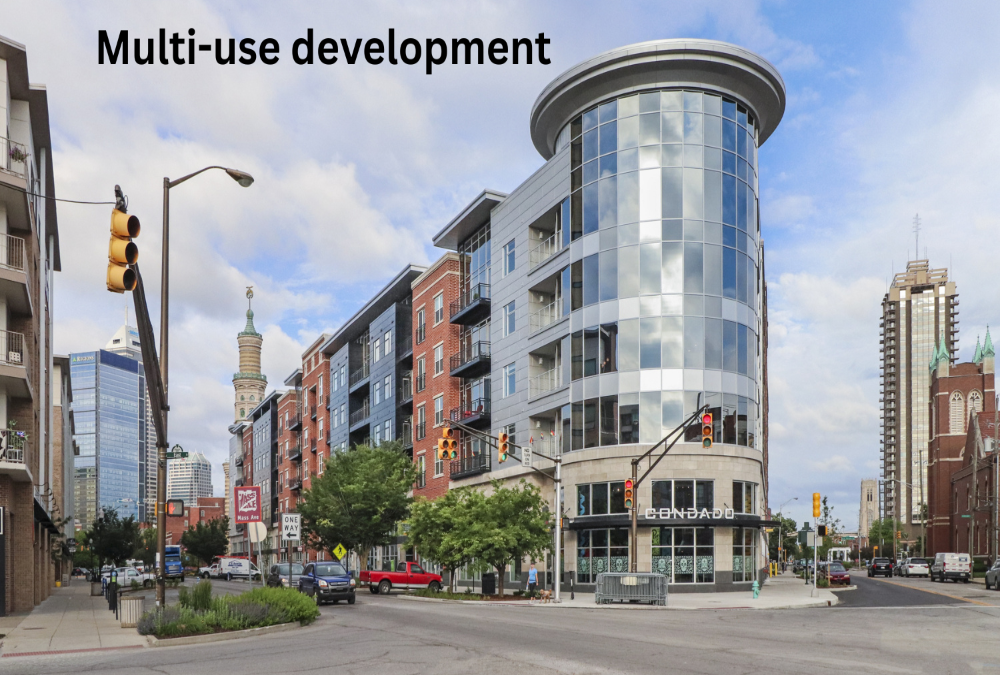
Impact on Appraised Value Phased or multi-use development often increases the overall appraised value by maximizing land utilization and reducing development risk over time. Allows for early revenue generation while later phases are under planning Increases market...

by Industrial Guide | Jun 13, 2025 | I - News
Financing Assumptions Valuation models often factor in the cost and structure of financing used to acquire and develop the property. These assumptions affect cash flow projections and investor returns. Loan-to-value ratio typically ranges from 60% to 75% Interest...
by Industrial Guide | Jun 13, 2025 | I - News
Concept of Present Value The present value (PV) is the current worth of expected future rental income, discounted using an appropriate rate that reflects market risk and time value of money. PV helps determine the asset’s investment value based on projected cash flows...
by Industrial Guide | Jun 13, 2025 | I - News
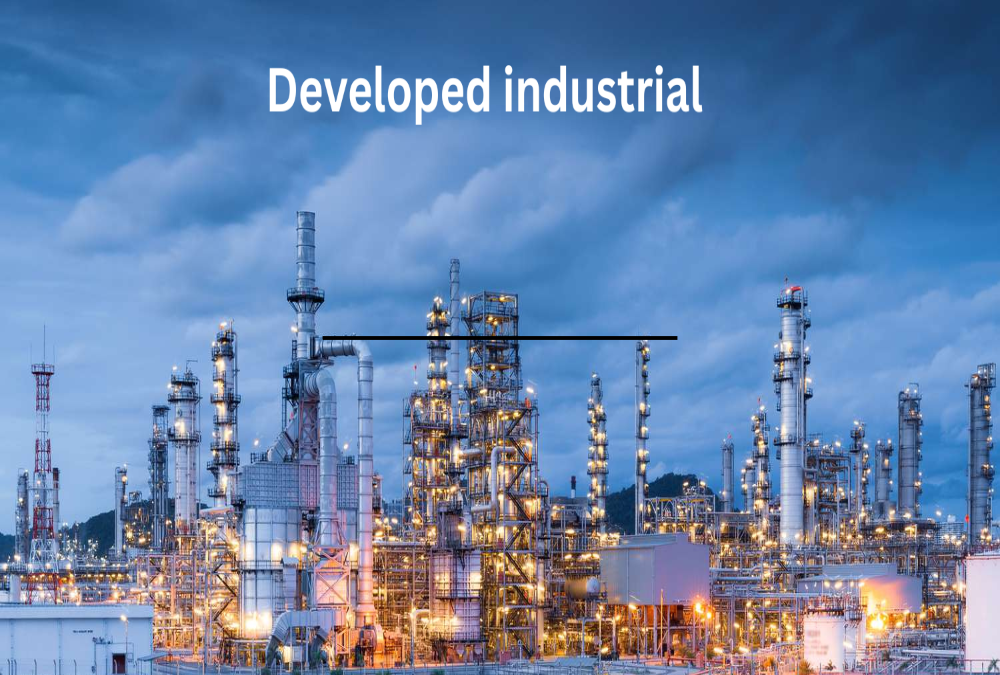
Cap Rate in Developed Industrial Zones In well-established industrial markets such as Chennai, cap rates for fully developed and leased industrial properties remain attractive for investors. Typical cap rate range is 7% to 9% for Grade A warehousing and industrial use...
by Industrial Guide | Jun 13, 2025 | I - News
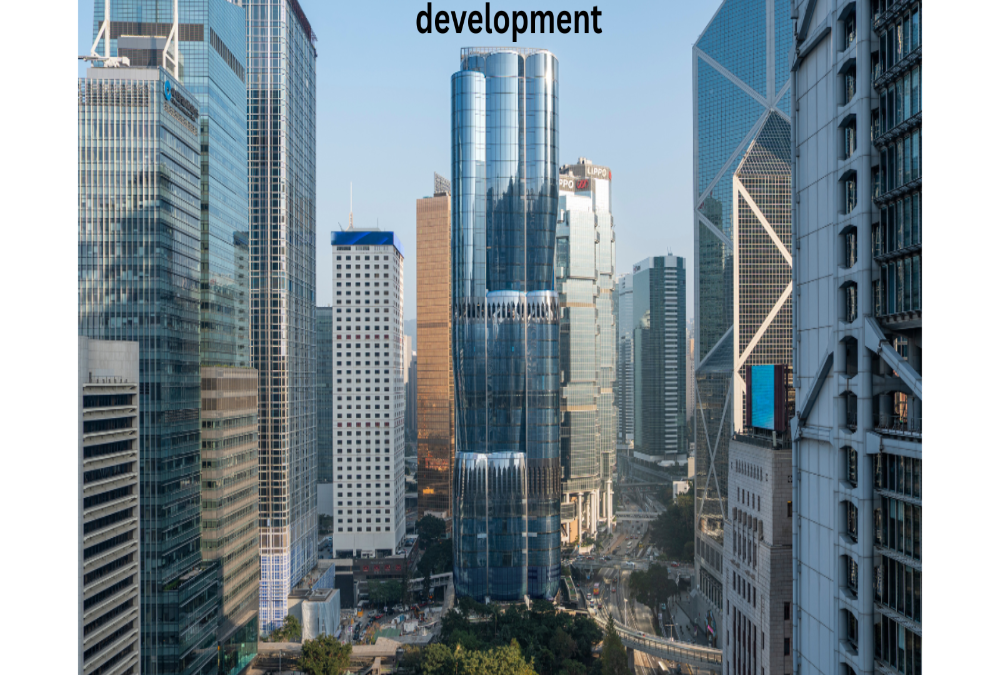
Post-Development Market Value Uplift Once the land is developed with industrial sheds, roads, utilities, and fencing, its value increases significantly compared to raw land. Developed industrial plots typically command 30% to 70% higher value than undeveloped land In...